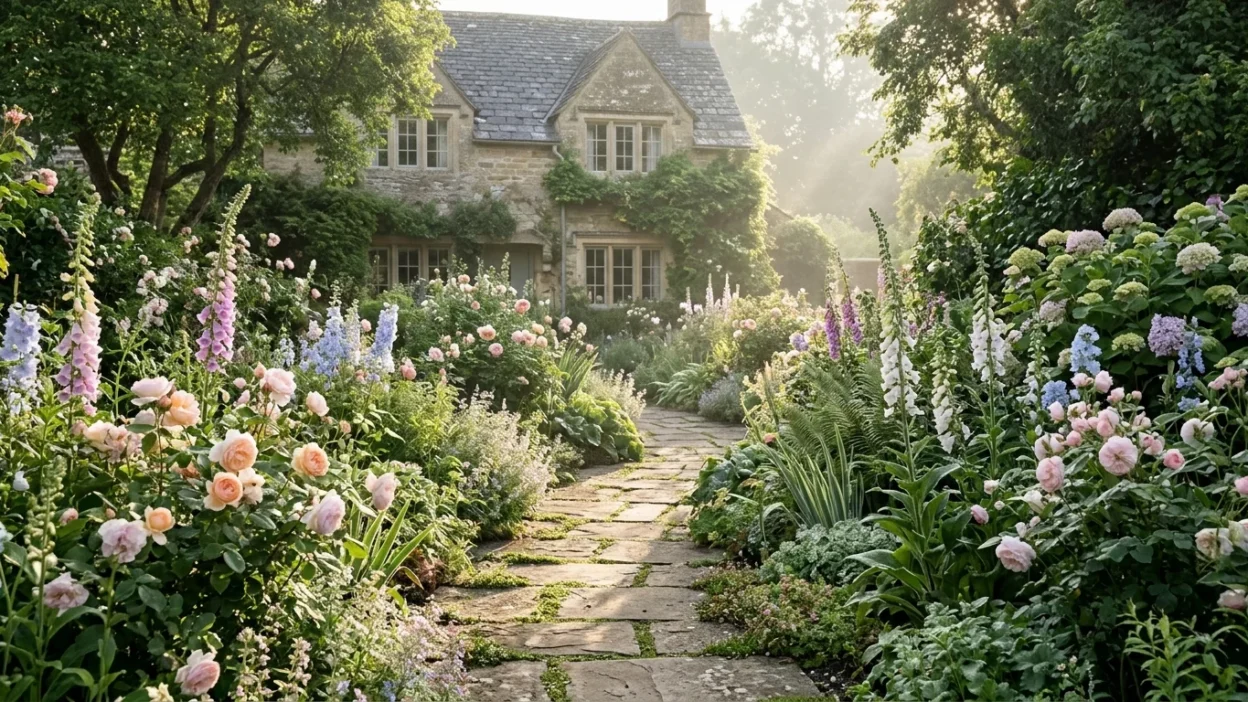
The word pretty is a common and versatile adjective in English. It can describe an attractive person, a beautiful dress, a charming garden, or a room with pleasant decorations. It can also function as an adverb meaning fairly or quite, as in “The journey was pretty long.”
Whether you are improving your vocabulary, writing professionally, or simply looking for a more interesting way to describe something attractive, these alternatives will help you express your ideas more naturally.
Synonyms of Pretty
The best synonym for pretty depends on the person, place, object, or experience being described. Some alternatives emphasise beauty, others suggest charm or delicacy, and a few communicate elegance or striking visual appeal.
The following table presents useful alternatives in British English, with their meanings and examples.
| Synonym | Pronunciation (IPA) | Part of Speech | Meaning | Example Sentence |
| Beautiful | /ˈbjuːtɪfəl/ | Adjective | Pleasing to the senses or mind; possessing beauty | They spent the afternoon walking through a beautiful garden. |
| Lovely | /ˈlʌvli/ | Adjective | Attractive, pleasant, or delightful | She wore a lovely dress to the family celebration. |
| Gorgeous | /ˈɡɔːdʒəs/ | Adjective | Extremely attractive or impressive | The coastline looked gorgeous in the evening sunlight. |
| Attractive | /əˈtræktɪv/ | Adjective | Pleasing in appearance or appealing in character | The shop has an attractive display of handmade jewellery. |
| Charming | /ˈtʃɑːmɪŋ/ | Adjective | Pleasant and appealing in a warm or distinctive way | We stayed in a charming little cottage near the village. |
| Cute | /kjuːt/ | Adjective | Attractive in a sweet, endearing, or youthful way | The baby wore a cute knitted hat. |
| Elegant | /ˈelɪɡənt/ | Adjective | Graceful, stylish, and refined | The restaurant had an elegant interior with soft lighting. |
| Stunning | /ˈstʌnɪŋ/ | Adjective | Exceptionally attractive or impressive | The bride looked stunning in her wedding dress. |
| Gorgeous-looking | /ˌɡɔːdʒəs ˈlʊkɪŋ/ | Adjective phrase | Having a particularly attractive appearance | They admired the gorgeous-looking flowers outside the hotel. |
| Exquisite | /ɪkˈskwɪzɪt/ | Adjective | Extremely beautiful, delicate, or carefully made | The museum displayed an exquisite silver necklace. |
| Dainty | /ˈdeɪnti/ | Adjective | Small, delicate, and attractive | She wore a dainty bracelet made of gold. |
| Delicate | /ˈdelɪkət/ | Adjective | Fine, fragile, or subtly attractive | The artist painted delicate flowers on the porcelain bowl. |
| Pretty-looking | /ˌprɪti ˈlʊkɪŋ/ | Adjective phrase | Having a pleasing appearance | A pretty-looking village stood beside the river. |
| Graceful | /ˈɡreɪsfəl/ | Adjective | Moving or appearing in a smooth, elegant way | A graceful swan glided across the lake. |
| Radiant | /ˈreɪdiənt/ | Adjective | Glowing with happiness, health, or beauty | She looked radiant on her graduation day. |
| Picturesque | /ˌpɪktʃəˈresk/ | Adjective | Visually attractive, especially like a picture | We stopped to photograph the picturesque countryside. |
| Adorable | /əˈdɔːrəbəl/ | Adjective | Extremely charming or lovable | Their puppy has an adorable face. |
| Splendid | /ˈsplendɪd/ | Adjective | Impressive, magnificent, or excellent | The palace had a splendid staircase and ornate ceilings. |
| Fetching | /ˈfetʃɪŋ/ | Adjective | Attractive in a way that draws attention | He chose a fetching jacket for the evening event. |
| Winsome | /ˈwɪnsəm/ | Adjective | Appealing in a sweet, innocent, or charming way | Her winsome smile made everyone feel welcome. |
Synonyms for Pretty by Meaning
It is easier to choose the right word when you group alternatives according to the quality they express.
For general beauty: beautiful, lovely, attractive, gorgeous.
For charm and sweetness: charming, cute, adorable, winsome.
For elegance and refinement: elegant, graceful, exquisite, dainty.
For striking visual impact: stunning, radiant, splendid.
For scenery and visual surroundings: picturesque, lovely, beautiful.
For a subtle or delicate appearance: delicate, dainty, fetching.
These groups are not strict categories. For instance, lovely can describe a person, a place, an object, or an experience. The purpose is to help you recognise the main impression each word usually creates.
What Does Pretty Mean?
Pretty is an adjective that usually means attractive, pleasing to look at, or appealing in appearance. It can describe people, clothing, flowers, buildings, decorations, and many other things.
For example:
- She bought a pretty handbag.
- The garden looks pretty in spring.
- He gave her a pretty necklace.
- The village has pretty streets and colourful houses.
In these sentences, pretty communicates that something looks attractive without necessarily suggesting extraordinary beauty or grandeur.
The word often conveys a sense of charm, delicacy, or pleasantness. A pretty dress might have a flattering shape or attractive pattern, while a pretty garden might contain colourful flowers and neat paths.
Pretty as an Adjective
As an adjective, pretty normally comes before a noun or after a linking verb.
Before a noun:
- She lives in a pretty house.
- They bought a pretty picture.
- He chose a pretty scarf.
After a linking verb:
- The flowers are pretty.
- Your new room looks pretty.
- The village seems pretty in winter.
In each example, the word describes appearance.
Pretty as an Adverb
Pretty can also function as an informal adverb meaning fairly, quite, or reasonably. This meaning is different from the one associated with physical beauty.
Examples include:
- The test was pretty difficult.
- We arrived pretty early.
- The film was pretty entertaining.
- It is pretty cold outside.
In these sentences, replacing pretty with beautiful or gorgeous would not preserve the meaning.
For example, “The test was pretty difficult” means that the test was fairly or quite difficult. It does not mean that the test was attractive.
This distinction matters when searching for synonyms. If you mean pretty as an adjective describing beauty, words such as lovely, beautiful, and charming may work. If you mean pretty as an adverb, alternatives such as fairly, quite, and reasonably are more appropriate.
What Does Pretty Suggest About Appearance?
The word pretty often describes a pleasant, attractive appearance that may be delicate or charming rather than powerful or dramatic.
Compare these descriptions:
- A pretty flower suggests a pleasing, attractive bloom.
- A gorgeous flower suggests a particularly impressive or beautiful bloom.
- An exquisite flower suggests exceptional delicacy or refinement.
- A stunning flower suggests an appearance that immediately catches the eye.
These differences are subtle, but they help writers create more accurate descriptions.
Most Common Synonyms of Pretty
Some alternatives to pretty are more natural in everyday conversation than others. The following words are particularly useful because they cover a range of situations, from casual compliments to formal descriptions.
1. Beautiful
Beautiful is one of the closest general alternatives to pretty. It describes something that gives strong pleasure through its appearance or qualities.
It can be used for people, nature, artwork, architecture, music, and experiences.
Examples:
- The mountains were beautiful after the snowfall.
- She wore a beautiful blue dress.
- It was a beautiful moment for the whole family.
Use beautiful when you want a broad, positive description of beauty. It often conveys a stronger impression than pretty, although the difference depends on context.
2. Lovely
Lovely is warm, friendly, and versatile. It can describe attractive things, but it can also express pleasure or affection.
Examples:
- What a lovely garden!
- She has a lovely smile.
- We had a lovely evening together.
In British English, lovely is especially common in everyday conversation. It can sound natural and sincere without being overly dramatic.
Use it when you want to express appreciation, warmth, or gentle admiration.
3. Gorgeous
Gorgeous describes something exceptionally attractive or visually impressive. It is often more emphatic than pretty.
Examples:
- That is a gorgeous coat.
- The beach looked gorgeous at sunset.
- They stayed in a gorgeous hotel overlooking the sea.
This word works well in informal conversation, fashion writing, travel descriptions, and enthusiastic compliments.
However, it may sound exaggerated when describing something only mildly attractive. Choose it when you want to communicate a particularly strong positive impression.
4. Attractive
Attractive is a neutral and practical alternative. It can refer to physical appearance, design, features, or qualities that draw interest.
Examples:
- The house has an attractive front garden.
- The company created an attractive product package.
- The town is attractive to visitors throughout the year.
Unlike cute or adorable, attractive does not necessarily suggest sweetness or youthfulness. It is useful in professional writing because it is relatively objective and versatile.
5. Charming
Charming suggests appeal that comes from character, atmosphere, or distinctive details. It can describe a person, place, object, or manner.
Examples:
- The old bookshop was charming.
- We found a charming café in the town centre.
- Her charming manner put everyone at ease.
Something charming does not have to be conventionally beautiful. A small, old-fashioned cottage can be charming because of its character, even if it is not grand or luxurious.
Difference Between Pretty and Its Synonyms
Although synonyms share similar meanings, they are rarely interchangeable in every sentence. Each word has its own associations, intensity, and preferred contexts.
Understanding these differences will help you avoid repetition and choose vocabulary that fits your intended meaning.
Pretty vs Beautiful
Both words describe attractive appearances, but beautiful often conveys a stronger or more profound impression.
Pretty: The child picked a pretty flower.
Beautiful: The wildflower meadow was beautiful in the morning light.
The first sentence describes a pleasing flower. The second may suggest a more powerful overall experience.
Nevertheless, pretty can be affectionate and expressive, while beautiful can be used in both ordinary and elevated writing. The difference is not an absolute rule about the degree of beauty.
Pretty vs Lovely
Pretty generally focuses on appearance, while lovely can express a wider sense of pleasure or affection.
Pretty: She bought a pretty dress.
Lovely: We had a lovely afternoon at the seaside.
A dress may be described as lovely, too, but the second word can communicate a pleasant experience rather than appearance alone.
Pretty vs Gorgeous
Gorgeous is typically more emphatic than pretty.
Pretty: The garden looked pretty in spring.
Gorgeous: The garden looked gorgeous when all the roses bloomed.
Use gorgeous when you want to emphasise exceptional visual appeal. Use pretty for a gentler or more understated description.
Pretty vs Cute
Cute suggests sweetness, charm, or an endearing quality. Pretty is more general.
Pretty: She bought a pretty handbag.
Cute: She bought a cute handbag with a tiny animal-shaped clasp.
The second sentence suggests a playful or endearing feature. The first simply describes an attractive bag.
Pretty vs Elegant
Elegant refers to grace, refinement, and tasteful design, rather than attractiveness alone.
Pretty: The room had pretty curtains.
Elegant: The room had elegant furniture and a simple, balanced layout.
A room can be both pretty and elegant. However, the second description specifically draws attention to style and refinement.
Pretty vs Charming
Charming often describes a quality that makes something appealing or memorable. It can refer to atmosphere, personality, or character.
Pretty: We visited a pretty village.
Charming: We visited a charming village with cobbled lanes and traditional cottages.
The word charming suggests that the village has character as well as visual appeal.
Pretty vs Stunning
Stunning communicates a strong, striking impression, whereas pretty is often more understated.
Pretty: The bride wore a pretty dress.
Stunning: The bride’s dress was stunning, with intricate embroidery and a flowing train.
The choice depends on the impression you want to create. A simple dress can be pretty, while a particularly dramatic dress may be described as stunning.
Pretty vs Exquisite
Exquisite highlights exceptional refinement, craftsmanship, or delicate beauty.
Pretty: She bought a pretty necklace.
Exquisite: She bought an exquisite necklace featuring intricate handmade details.
The second sentence gives a stronger impression of precision and craftsmanship.
Pretty vs Attractive
Attractive is often more neutral and analytical than pretty.
Pretty: The cottage has a pretty front garden.
Attractive: The property has an attractive design and well-maintained grounds.
The first sounds conversational. The second may be more appropriate for property descriptions or professional writing.
Pretty vs Picturesque
Picturesque is closely associated with scenery and settings that look visually appealing.
Pretty: We walked through a pretty area.
Picturesque: We walked through a picturesque valley surrounded by rolling hills.
The second sentence gives readers a more specific visual impression. It is usually better to reserve picturesque for landscapes, buildings, villages, and similar scenes.
Common Mistakes When Using Synonyms for Pretty
Using synonyms can improve your writing, but only if the replacement preserves the intended meaning. The following mistakes are easy to make.
1. Assuming Every Synonym Means Exactly the Same Thing
Words such as beautiful, cute, elegant, and stunning are related, but they emphasise different qualities.
Calling a formal evening gown cute may make it sound playful rather than sophisticated. Describing a tiny decorative charm as magnificent may seem unnecessarily grand.
How to avoid it: Consider the specific quality you want to communicate before choosing a replacement.
2. Using Gorgeous for Every Attractive Thing
Gorgeous is an enthusiastic and emphatic word. Repeating it in every description can make your writing sound exaggerated.
For example:
- The gorgeous flowers grew beside a gorgeous wall.
- We visited a gorgeous village with a gorgeous little shop.
A more varied version might read:
“We admired the colourful flowers beside an old stone wall before exploring a charming village shop.”
How to avoid it: Mix strong adjectives with more precise descriptions of colour, shape, texture, atmosphere, and design.
3. Using Cute in Formal or Professional Writing
Cute is perfectly natural in casual conversation, but it may not suit every professional context.
For example, “The company has a cute website” might sound informal in a business report.
Depending on the intended meaning, attractive, well-designed, appealing, or visually engaging may be more appropriate.
How to avoid it: Match your vocabulary to your audience, purpose, and level of formality.
4. Describing Every Beautiful Person as Pretty
Describing someone as pretty may be perfectly appropriate, but different words communicate different impressions.
Elegant may highlight style and grace. Radiant may suggest happiness and a glowing appearance. Striking may emphasise distinctive features, while beautiful offers a broader description.
How to avoid it: Focus on the qualities you genuinely want to describe rather than relying on one familiar adjective.
5. Using Picturesque for the Wrong Subject
Picturesque usually describes scenery, places, architecture, or scenes with picture-like appeal.
Although it can be used creatively, describing an ordinary item of clothing as picturesque may sound unusual.
How to avoid it: Use picturesque for landscapes, villages, cottages, gardens, and other visually scenic subjects. For clothing or jewellery, consider elegant, lovely, or exquisite.
Tips for Using Synonyms for Pretty Correctly
A strong vocabulary is not simply about knowing many words. It is about choosing words that communicate your meaning accurately and naturally.
These practical tips will help you use synonyms for pretty with greater confidence.
1. Identify What Makes Something Attractive
Before replacing pretty, ask yourself what you find appealing.
Is it the colour, shape, design, atmosphere, craftsmanship, or overall appearance?
For example:
- A delicate ring may be exquisite.
- A stylish outfit may be elegant.
- A colourful garden may be lovely.
- A dramatic mountain view may be stunning.
- A small decorative object may be cute.
The more precisely you identify the quality, the easier it becomes to choose the right word.
2. Consider the Context
The best synonym depends on the subject being described.
For a person, beautiful, radiant, attractive, or elegant may be appropriate, depending on the intended impression.
For a landscape, picturesque, beautiful, and stunning are often suitable.
For jewellery, embroidery, or handmade objects, exquisite and delicate may convey fine detail.
For a welcoming place or an enjoyable experience, lovely and charming are useful choices.
Always consider the surrounding sentence rather than selecting a word from a list without context.
3. Match the Level of Intensity
Adjectives differ in how strongly they express admiration.
Pretty often sounds gentle or understated. Lovely can sound warm and appreciative. Gorgeous and stunning usually communicate stronger enthusiasm.
For example:
- “The room is pretty” offers a mild compliment.
- “The room is lovely” sounds warm and positive.
- “The room is stunning” suggests a powerful visual impression.
These are tendencies rather than strict rules, but they provide a useful guide.
4. Match the Tone to Your Audience
Casual writing can use expressive words such as cute, gorgeous, and lovely. Formal writing may benefit from attractive, elegant, refined, or visually appealing.
For example, a social media caption might say:
“What a gorgeous view!”
A property description might say:
“The property features an attractive garden and an elegant interior.”
Both sentences work, but they suit different contexts.
5. Use Sensory Details
Adjectives become more effective when paired with concrete information.
Instead of writing, “It was a pretty garden”, try:
“The garden was lovely, with lavender borders, climbing roses, and a narrow path beneath the trees.”
The second version gives readers a clearer mental image.
You do not need to use several synonyms in one sentence. One carefully chosen adjective and a few relevant details can create a much stronger description.
Summary
There are many useful synonyms for pretty, and each offers a slightly different way to describe beauty, charm, elegance, or visual appeal.
By understanding these differences, using concrete details, and avoiding unnecessary repetition, you can make your writing more varied, natural, and engaging.
FAQs
1. What are the best synonyms for pretty?
Common synonyms for pretty include beautiful, lovely, gorgeous, attractive, charming, cute, elegant, and stunning. The most suitable option depends on what you are describing and the impression you want to create.
2. What is another word for pretty in British English?
Lovely is a particularly common and natural alternative in British English. Other suitable choices include beautiful, attractive, gorgeous, and charming. For a more refined description, you might use elegant or exquisite.
3. What is a stronger word for pretty?
Stunning, gorgeous, and exquisite can communicate a stronger or more specific impression than pretty. Stunning emphasises striking impact, gorgeous conveys exceptional attractiveness, and exquisite suggests refined or delicate beauty.
4. What is a synonym for pretty when describing a person?
Depending on the context, you could use beautiful, attractive, lovely, radiant, elegant, or stunning. Choose the word that reflects the quality you want to emphasise, such as grace, warmth, or striking appearance.
5. What is a synonym for pretty when describing a place?
Beautiful, lovely, charming, picturesque, and stunning are useful alternatives for places. Use picturesque for scenery or settings with picture-like appeal, and charming when the place has a distinctive, welcoming character.