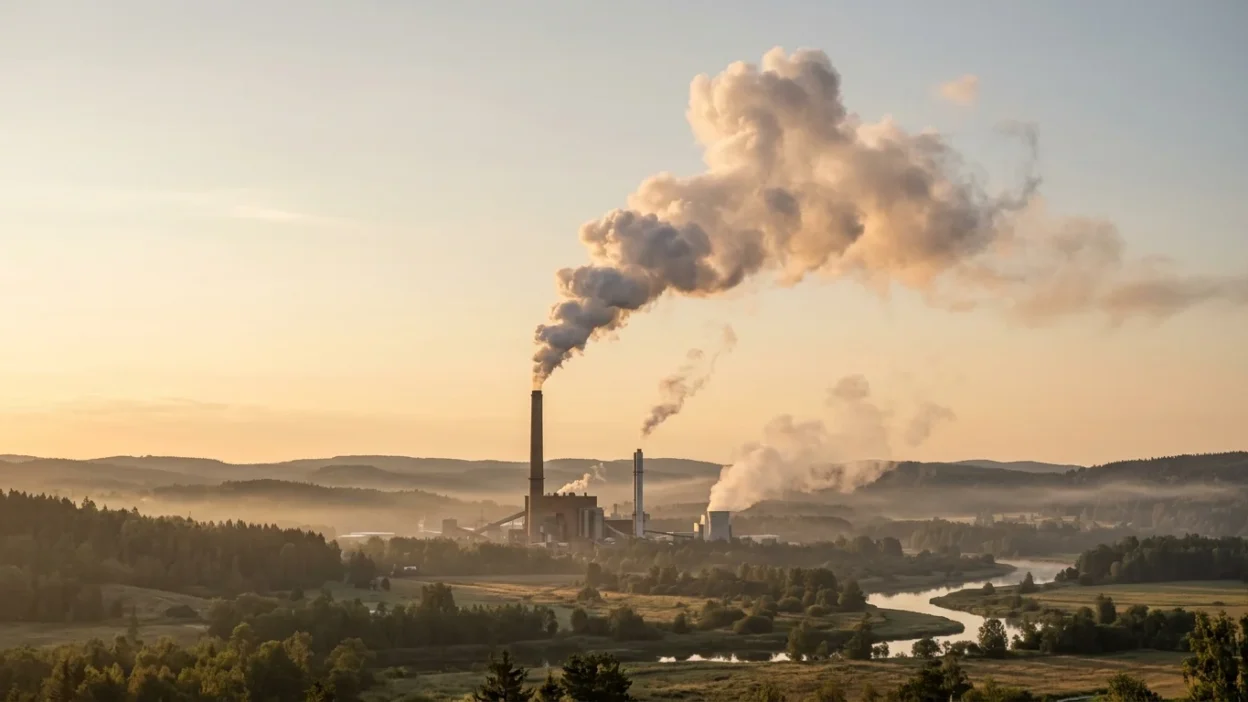
The word smoke can have several meanings in English. It may refer to the visible mixture of gases and tiny particles produced when something burns, the act of producing or inhaling smoke, or a cloud that makes the air difficult to see through.
It can also be used figuratively to describe confusion, deception, or something designed to distract attention.
Understanding these distinctions helps you choose more precise vocabulary. Whether you are writing an article, report, story, description, or everyday message, the right alternative can make your sentence clearer and more natural.
Synonyms of Smoke
The following table includes useful synonyms and closely related alternatives. Since smoke can refer to a substance, a visible cloud, or an action, the alternatives vary according to context.
| Synonym | Pronunciation (IPA) | Part of Speech | Meaning | Example Sentence |
| Fumes | /fjuːmz/ | Noun | Strong-smelling or potentially harmful gases produced by burning or chemical processes | Thick fumes filled the workshop. |
| Vapour | /ˈveɪpə/ | Noun | A gaseous form of a substance, often visible as a mist-like cloud | Vapour rose from the hot surface. |
| Haze | /heɪz/ | Noun | A thin layer of smoke, dust, or moisture that reduces visibility | A light haze covered the hills. |
| Mist | /mɪst/ | Noun | A cloud of tiny water droplets near the ground or in the air | Morning mist drifted across the valley. |
| Smog | /smɒɡ/ | Noun | Polluted air containing smoke, gases, and other particles | Thick smog covered the city. |
| Plume | /pluːm/ | Noun | A large, spreading column or cloud of smoke, dust, or vapour | A dark plume rose above the factory. |
| Cloud | /klaʊd/ | Noun | A mass or concentration of smoke, dust, or vapour | A cloud of smoke entered the room. |
| Billow | /ˈbɪləʊ/ | Noun | A large swelling mass of smoke, steam, or another substance | Billows of smoke emerged from the building. |
| Trail | /treɪl/ | Noun | A long, thin line or stream left behind by smoke or another substance | A trail of smoke followed the moving vehicle. |
| Fume | /fjuːm/ | Noun | A cloud or gas produced by burning or chemical activity | A poisonous fume escaped from the container. |
| Exhaust | /ɪɡˈzɔːst/ | Noun | Waste gases released from an engine or machine | Car exhaust contributed to the pollution. |
| Emission | /ɪˈmɪʃən/ | Noun | A substance, gas, or particle released into the atmosphere | The factory reduced its harmful emissions. |
| Vapour cloud | /ˈveɪpə klaʊd/ | Noun Phrase | A visible cloud of gaseous material or fine droplets | A vapour cloud formed above the liquid. |
| Fog | /fɒɡ/ | Noun | A thick cloud of tiny water droplets that reduces visibility | Dense fog covered the motorway. |
| Smoke screen | /ˈsməʊk skriːn/ | Noun | A screen of smoke used to hide movement or, figuratively, to conceal the truth | The announcement was seen as a smoke screen for the real issue. |
| Puff | /pʌf/ | Noun | A small amount or brief cloud of smoke | A puff of smoke came from the chimney. |
| Wisp | /wɪsp/ | Noun | A thin, small strand or curl of smoke | A wisp of smoke rose from the candle. |
| Soot | /sʊt/ | Noun | Fine black particles produced by incomplete burning | Soot covered the walls around the fireplace. |
| Smoulder | /ˈsməʊldə/ | Verb | To burn slowly without producing flames | The embers continued to smoulder overnight. |
| Fume away | /fjuːm əˈweɪ/ | Verb Phrase | To release fumes or, informally, to express anger | The engine began to fume heavily. |
Usage note: Not all of these words are exact replacements for smoke. Fumes, haze, plume, and smog describe related airborne substances, while soot refers to particles left by combustion. Smoulder describes a way something burns rather than the smoke itself.
What Does Synonyms for Smoke Mean?
The phrase synonyms for smoke refers to alternative words that can describe smoke or a closely related substance, appearance, action, or effect.
The meaning of smoke depends on how it is used.
Smoke as a Noun
As a noun, smoke usually means the visible mixture of gases and particles produced when a material burns.
Example:
Smoke filled the kitchen after the food was left on the stove.
In this context, alternatives such as fumes, plume, cloud, billow, or wisp may be appropriate depending on the type and appearance of the smoke.
Smoke as a Verb
As a verb, smoke can describe producing smoke or deliberately inhaling tobacco smoke.
Example:
The chimney smoked heavily after the fire was lit.
When describing slow burning, smoulder may be a useful alternative.
Example:
The fire continued to smoulder after the flames disappeared.
Smoke as an Airborne Substance
Sometimes the focus is not on the smoke itself but on gases or particles released into the air.
In this context, fumes, emissions, or exhaust may be more precise.
Example:
The machine released harmful fumes.
This is different from simply saying that the machine produced smoke because fumes may be gases or vapours that are not necessarily visible.
Smoke as a Cloud
When smoke is visible as a large or small mass, words such as cloud, plume, billow, wisp, and puff can describe its appearance.
Example:
A huge plume of smoke rose into the sky.
This gives the reader more information about the shape and size of the smoke.
Smoke in Figurative Language
The word smoke is also used in expressions that suggest deception or distraction.
For example, a smoke screen can describe something intended to hide the truth or draw attention away from the real issue.
Example:
The announcement was criticised as a smoke screen designed to distract the public.
In this sense, words such as haze or fumes would not necessarily have the same meaning.
Most Common Synonyms of Smoke
Fumes
Fumes is one of the most useful alternatives when referring to gases, vapours, or strong-smelling substances produced by burning, chemicals, fuel, or industrial processes.
The word often carries a negative or potentially harmful association.
Example:
Workers were advised to leave the area because of toxic fumes.
Use fumes when the emphasis is on the gases or chemical substances rather than the visible appearance of smoke.
Vapour
Vapour refers to a gaseous form of a substance. It is especially common when describing water, liquids, chemicals, or substances that evaporate.
Although vapour can resemble smoke, the two are not scientifically identical.
Example:
Water vapour rose from the boiling kettle.
Use vapour when the substance is produced through evaporation or exists in gaseous form rather than through combustion.
Haze
Haze describes a thin layer of particles, smoke, dust, or moisture in the air that reduces clarity or visibility.
It is useful when the air appears slightly cloudy rather than filled with thick smoke.
Example:
A grey haze hung over the town.
The word is common in descriptions of weather, pollution, distant landscapes, and atmospheric conditions.
Plume
A plume is a tall, spreading column or cloud of smoke, vapour, dust, or another airborne substance.
It is particularly useful for describing smoke rising from fires, factories, chimneys, or volcanic activity.
Example:
A dark plume rose from the burning warehouse.
Unlike smoke, plume tells the reader something about the shape and movement of the material.
Cloud
Cloud can describe a mass of smoke that spreads through an area.
It is particularly useful when smoke fills a room or forms a large visible mass.
Example:
A cloud of smoke drifted through the open window.
The expression is natural and easy to understand in both descriptive and everyday writing.
Billow
Billow refers to a large, swelling mass of smoke, steam, fabric, or another substance.
It creates a strong visual image and is especially useful in creative writing.
Example:
Billows of black smoke rose from the building.
Use billow when you want to emphasise the large, rolling appearance of smoke.
Trail
A trail of smoke is a long, narrow line left behind something moving or rising.
Example:
The aircraft left a thin trail of smoke across the sky.
This word is especially useful when describing movement.
Wisp
A wisp is a very small, thin strand or curl of smoke.
Example:
A wisp of smoke curled upwards from the extinguished candle.
It is an excellent choice when describing light or delicate smoke.
Puff
A puff refers to a small amount of smoke released at one time.
Example:
A puff of smoke escaped from the chimney.
It is commonly used when smoke appears briefly or in small quantities.
Smog
Smog is polluted air containing a mixture of smoke, gases, and particles.
Example:
The city was covered in thick smog during the heatwave.
Unlike smoke, smog specifically refers to atmospheric pollution rather than smoke from one particular source.
Exhaust
Exhaust refers to waste gases released by engines and machines.
Example:
The vehicle produced excessive exhaust.
It is more precise than smoke when discussing emissions from cars, lorries, buses, machinery, or industrial equipment.
Emission
An emission is a substance released into the environment. It can include gases, particles, heat, or other materials.
Example:
The company has introduced measures to reduce carbon emissions.
Use this word in scientific, environmental, technical, and professional contexts.
Soot
Soot consists of fine black particles created by incomplete combustion.
It may be found on walls, chimneys, ceilings, or other surfaces after burning materials.
Example:
The old fireplace was covered in soot.
Soot is not a direct synonym for smoke because it refers to solid particles rather than the airborne mixture itself.
Smoulder
Smoulder is a verb describing slow burning without visible flames or with very little flame.
Example:
The logs continued to smoulder after the fire had died down.
Use smoulder when you want to describe the burning process rather than simply referring to the smoke.
Difference Between Synonyms for Smoke and Its Synonyms
Choosing the correct synonym requires attention to the type of substance, its appearance, and the context.
Smoke vs Fumes
Smoke usually refers to the visible products of combustion, while fumes often refers to gases or vapours that may be unpleasant, irritating, or harmful.
Smoke:
Smoke rose from the fireplace.
Fumes:
Chemical fumes filled the laboratory.
The second sentence focuses on potentially harmful gases rather than ordinary combustion smoke.
Smoke vs Vapour
Smoke and vapour may look similar, but they have different meanings.
Vapour generally refers to a substance in gaseous form, especially one produced through evaporation.
Smoke is associated with combustion and contains gases and fine particles.
Example:
Steam from a kettle is better described as vapour than smoke.
Smoke vs Haze
Haze describes reduced visibility caused by fine particles, pollution, dust, smoke, or moisture.
Example:
A haze covered the distant mountains.
The word does not necessarily identify smoke as the cause.
Smoke vs Smog
Smog specifically refers to polluted atmospheric conditions involving a mixture of pollutants.
Example:
Heavy smog affected air quality across the city.
Smoke can contribute to smog, but not every cloud of smoke is smog.
Smoke vs Plume
Plume describes the shape or movement of an airborne cloud.
Example:
A plume of smoke rose above the factory.
The word plume adds a visual description rather than simply naming the substance.
Smoke vs Soot
Soot consists of fine particles deposited by combustion.
Smoke:
Smoke filled the room.
Soot:
Soot covered the ceiling.
Smoke is airborne, whereas soot commonly settles on surfaces.
Smoke vs Exhaust
Exhaust refers specifically to gases discharged by engines or machinery.
Example:
Vehicle exhaust contributes to air pollution.
It would be inaccurate to use exhaust for smoke from a fireplace.
Smoke vs Smoulder
These words belong to different grammatical categories and describe different things.
Smoke can be a noun or verb.
Smoulder is primarily a verb describing slow burning.
Example:
The wood began to smoulder, producing a small amount of smoke.
Common Mistakes When Using Synonyms for Smoke
Using Fumes and Smoke Interchangeably
Although the words overlap in some situations, they are not identical.
Less precise:
The laboratory was filled with smoke from the chemical reaction.
Better:
The laboratory was filled with fumes from the chemical reaction.
When the main concern is a chemical gas or vapour, fumes is more appropriate.
Calling Vapour Smoke
Visible vapour can look like smoke, but the terms describe different processes.
Example:
Steam rising from boiling water is not normally described as smoke.
Use vapour when discussing evaporation or a gaseous substance.
Using Smog for Any Type of Smoke
Smog refers to polluted atmospheric conditions, not every instance of visible smoke.
Incorrect:
There was smog coming from the fireplace.
Better:
Smoke was coming from the fireplace.
Confusing Soot with Smoke
Soot is a residue created through combustion.
Incorrect:
The walls were covered in smoke.
Better:
The walls were covered in soot.
You can say that smoke stained or darkened the walls, but soot identifies the material deposited on the surface.
Using Plume Without a Visual Context
Plume is most effective when the smoke forms a noticeable column or spreading cloud.
Natural:
A huge plume of smoke rose above the factory.
For ordinary smoke in a room, simply using smoke or cloud of smoke may be clearer.
Confusing Mist and Smoke
Mist consists primarily of tiny water droplets, whereas smoke is associated with combustion.
Mist:
Morning mist covered the fields.
Smoke:
Smoke covered the fields after the fire.
The two can appear visually similar but have different causes.
Using Smoulder as a Noun
Smoulder is generally used as a verb.
Correct:
The fire continued to smoulder.
For the noun, smouldering can describe something that is still burning slowly.
Overusing Dramatic Vocabulary
Words such as billow, plume, and wisp are useful descriptive terms, but they should match the scene.
A small amount of smoke is better described as a wisp or puff, while a huge rising cloud may be a plume or billow.
Tips for Using Synonyms for Smoke Correctly
Identify the Source
Think about where the airborne material comes from.
- Fire → smoke
- Engine → exhaust
- Chemical process → fumes
- Evaporation → vapour
- Urban pollution → smog
- Slow-burning material → smoulder
This simple distinction can help you choose a more precise word.
Consider the Amount
The quantity and appearance of smoke can determine the best expression.
- Small amount → puff, wisp
- Large amount → cloud, billow, plume
- Thin atmospheric layer → haze
- Long stream → trail
Using these words gives your descriptions more detail.
Think About Visibility
If the substance reduces visibility, haze, fog, or smog may be appropriate depending on its cause.
For example, smoke from a fire can create a haze across a landscape.
Use Technical Words in Technical Writing
In scientific or environmental writing, words such as emission, exhaust, fumes, and vapour are often more accurate than the general word smoke.
Precision matters when describing pollution, combustion, machinery, or atmospheric conditions.
Use Descriptive Words in Creative Writing
Creative writing benefits from vocabulary that communicates shape, movement, and atmosphere.
Compare:
Smoke rose into the sky.
with:
A dark plume of smoke billowed above the rooftops.
The second sentence gives the reader a clearer visual impression.
Choose the Correct British Spelling
In British English, vapour is normally spelt with -our, while American English commonly uses vapor.
Similarly, smoulder is the standard British spelling, while smolder is common in American English.
Using British spelling consistently helps maintain a polished style.
Do Not Force a Synonym
Sometimes smoke is simply the clearest and most accurate word.
Synonyms should improve precision, not make a sentence unnecessarily complicated.
For example:
Smoke filled the room.
is often better than:
A plume of airborne combustion particles filled the room.
Clear writing is usually more effective than unnecessarily technical language.
Summary
There are many useful synonyms for smoke, but each one carries a slightly different meaning. Fumes is suitable for gases or vapours, particularly those that are strong or harmful. Vapour refers to a substance in gaseous form, while haze describes a thin layer that reduces visibility.
The best alternative depends on what you mean by smoke, where it comes from, how it looks, and whether you are writing casually, creatively, technically, or formally. Choosing the most precise word will make your writing clearer and more vivid.
FAQs
What is the best synonym for smoke?
There is no single best synonym because smoke has several meanings. Fumes, vapour, haze, plume, and smog can all be suitable in different contexts.
What is a formal synonym for smoke?
Fumes, emissions, and vapour can be useful formal alternatives, depending on the context. In technical writing, the specific source and composition should determine the word you use.
What is another word for a cloud of smoke?
You can use plume, billow, or cloud, depending on its appearance and size. A large rising column is often described as a plume.
What is a synonym for a small amount of smoke?
Wisp and puff are useful alternatives. A wisp suggests a thin strand or curl, while a puff usually describes a small burst or amount.
Is vapour the same as smoke?
No. Vapour generally refers to a substance in gaseous form, often produced through evaporation. Smoke is associated with combustion and contains gases and fine particles.
What is the difference between smoke and smog?
Smoke is generally produced by combustion, while smog refers to polluted air containing a mixture of pollutants, gases, and particles. Smoke can contribute to smog.
What is the difference between smoke and fumes?
Smoke usually refers to visible products of combustion, whereas fumes often refers to gases, vapours, or airborne substances produced by chemical or industrial processes.
What is the opposite of smoke?
There is no exact opposite of smoke. Depending on the context, you might contrast it with clear air, fresh air, or clean atmosphere.